


How Long Does a Dental Implant Procedure Take?

If you’re considering getting a dental implant, one of the first questions you’ll have is how long a dental implant procedure takes. The answer depends on which question you are really asking, because there are two very different timelines involved: how long the implant surgery itself takes, and how long the full journey takes from consultation to finished tooth.
The short version: the surgical placement of a single implant usually takes 1 to 2 hours, but the complete treatment typically spans 3 to 6 months, and sometimes up to 9 months or more if bone grafting is needed. Here’s what that journey looks like at Smile Stylist in Manchester, stage by stage.
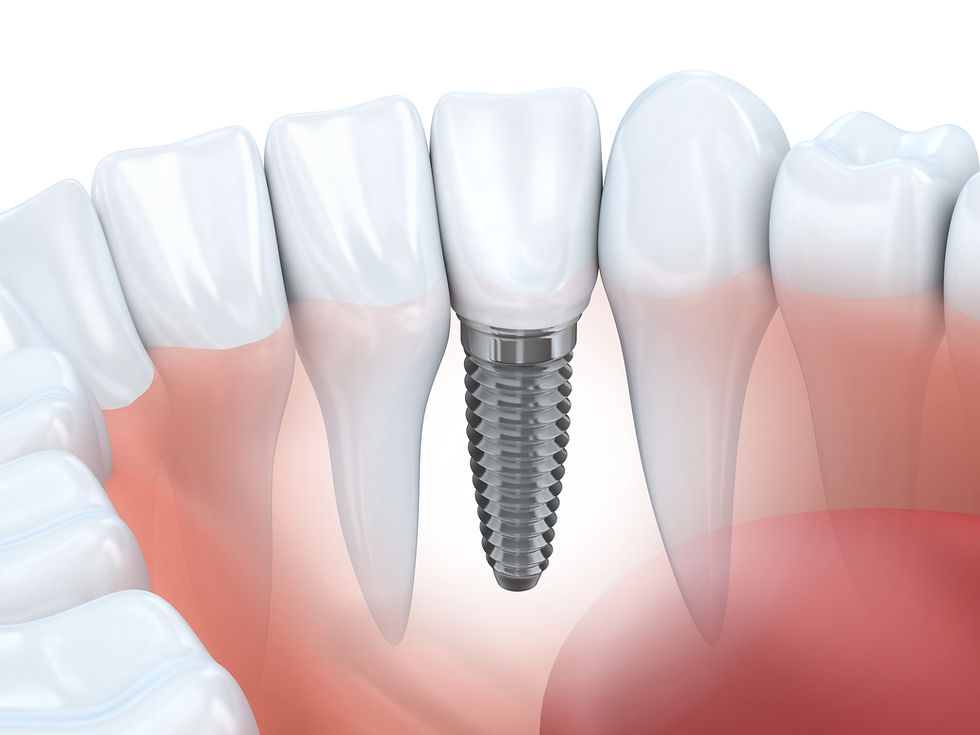
The Surgery Itself vs the Full Treatment Timeline
The appointment where your implant is placed is quicker than most people expect; for a single implant, you can be in and out within a couple of hours, and the placement itself may take as little as 30 to 60 minutes. It’s everything around that appointment, particularly the healing time, that makes up the bulk of the timeline.
That healing time isn’t wasted time. It’s the biological process, called osseointegration, where your jawbone fuses with the implant to create a foundation as stable as a natural tooth root. Rushing it is the single biggest cause of implant failure, which is why a good implant dentist will never promise to shortcut it.
The Dental Implant Procedure Step by Step
Stage 1: Consultation and planning (1 to 2 weeks)
Your journey starts with a full assessment, including 3D scans and X-rays, to check your bone density and plan the precise position of your implant. This is also where any groundwork, such as treating gum disease or planning an extraction, is identified.
Stage 2: Any preparatory work (0 to 3 months, if needed)
Not everyone needs this stage. If a failing tooth needs removing, or if you need a bone graft to build up the jaw, this happens before implant placement and adds healing time of its own. A minor graft can sometimes be done at the same time as the implant; a larger graft may need 3 months or more to mature first.
Stage 3: Implant placement (1 to 2 hours)
The implant, a small titanium post, is placed into the jaw under local anaesthetic. Most patients are surprised by how comfortable the appointment is; you’ll feel pressure but not pain, and sedation options are available for nervous patients.
Stage 4: Healing and osseointegration (2 to 6 months)
This is the longest stage, and the most important. The bone gradually fuses with the implant surface over 2 to 6 months, depending on your bone quality, general health and where in the mouth the implant sits; lower jaw implants often heal faster than upper ones. You won’t be left with a gap during this time; a temporary tooth can usually be provided.
Stage 5: Fitting the abutment and final crown (2 to 4 weeks)
Once the implant is solid, a small connector called an abutment is attached and impressions or digital scans are taken. Your final crown is then custom-made to match your natural teeth and fitted, completing your new tooth.
What Can Affect How Long the Process Takes?
Bone grafting: the most common reason timelines extend. If the jaw has shrunk after tooth loss, grafting rebuilds it, adding roughly 3 to 6 months.
Healing speed: smoking, diabetes and gum disease can all slow healing; being in good general and oral health keeps things on track.
Number of implants: multiple implants or full-arch treatments involve more planning, though implants are usually placed in a single visit.
Extractions: in some cases an implant can be placed on the same day a tooth is removed; in others the socket needs to heal first.
How Painful Is Dental Implant Recovery?
Far less than most people fear. The procedure itself is painless under local anaesthetic, and the recovery is usually described as no worse than a tooth extraction. Expect some swelling, bruising and tenderness for 3 to 5 days, managed comfortably with over-the-counter painkillers. Most patients are back to work within a day or two.
Caring for Your Implant During and After Healing
Stick to soft foods for the first few days, gradually returning to normal eating as comfort allows.
Keep the area clean, following the specific hygiene guidance we give you; gentle rinsing with salt water helps in the first week.
Avoid smoking, which significantly increases the risk of implant failure, particularly during healing.
Once healed, care for your implant like a natural tooth: daily brushing, interdental cleaning and regular hygiene appointments. Well-maintained implants can last decades.

Frequently Asked Questions
Can dental implants be done in one day?
The implant can sometimes be placed and fitted with a temporary tooth in one day, often called "same-day teeth". However, the biological healing still takes months, and the final permanent crown is fitted once integration is complete.
How long do dental implants take to heal?
Osseointegration typically takes 2 to 6 months. Gum healing over the surgical site is much faster, usually 1 to 2 weeks.
How long after an extraction can I have an implant?
Sometimes immediately, in the same appointment. If the site needs to heal first, typically 6 to 12 weeks after the extraction.
Is the wait worth it?
We think so, and so do our patients. A well-placed implant is the closest thing modern dentistry has to a natural tooth, and with good care it can last 20 years or more.
Start Your Implant Journey in Manchester or Hale Barns
The best way to get an accurate timeline is a proper assessment of your individual case. Book a FREE Consultation + 3D Scan at Smile Stylist in Manchester city centre or Hale Barns, and we’ll map out your personal treatment plan, including exact timeframes and costs, before you commit to anything.